- Psycho-social assessment of patient and family functioning and acquiring background information to provide to the team
- Attending multidisciplinary team meetings aimed at goal setting and progress tracking of patient
- Facilitating discharge planning and ensuring the necessary systems are put into place before discharge, these may include; identification of a carer, organizing weekends out, follow up on weekend out, identification of a care facility, writing motivations for care facilities, home based care services or step down facilities
- Rendering supportive counselling to patients and family members aimed at addressing their emotional reactions to the current situations as well as preparation for discharge
- Education of patient and family members pertaining to the psycho-social implication of the injury for the patient and family during the rehabilitation phase and after discharge
- Facilitating and chairing of family meetings, with the role of exploring discharge planning
- Facilitating group counselling sessions with patients and family members for support and/or educational purposes
- Linking patient and family members with community resources
- Assisting patient with work related and financial resources including medical certificates provided to employer, temporary incapacity leave forms and assistance with application for disability grants.
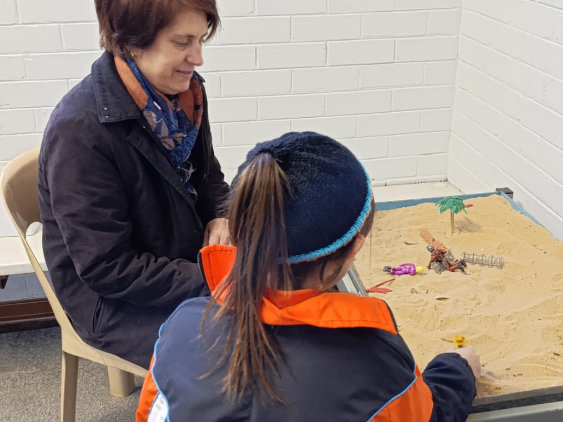
UTILIZING PLAY THERAPY AS A THERAPEUTIC METHOD
- The play therapy process starts off with a parental interview assessing early childhood development, family dynamics and current difficulties experienced
- The aim of play therapy with the child is to determine the child’s process. This entails how the child is experiencing his/her world, his/her fears, his/her dreams, his/her thoughts, the way he/she deals with emotions such as anger or excitement, how he/she initiates and completes tasks, social interaction with peers, adults and parents as well as his/her use of senses to make contact with his/her environment.
- Feedback is provided to parents in terms of their child’s process and together a treatment plan is developed.
- The treatment plan can entail parental guidance, therapeutic intervention with the child as well as guidance to the teachers in terms of addressing the child’s behavior in the classroom.
- Children who will benefit from play therapy: children experiencing some form of trauma, children experiencing difficulties in monitoring their own emotions, behavioral challenges and children experiencing fears and anxieties.
- Play therapy within a hospital setting:
Preparing children for medical intervention, assisting children to cope with emotional trauma due to a life changing experience, adapting to life after physical disability and providing emotional support to parents to cope with their child’s medical condition. Adult patient’s children receive play therapy to assist them to adapt to the life changing experience that influences the family system as a whole.
COMMUNITY PROJECTS
POWER PROJECT

The aim of this project is to link current spinal cord injury patients with people living with a spinal cord injury.
In essence, people experiencing similar life events are better equipped to support each other emotionally and with practical advice. Therefore, previous spinal cord injury patients were trained during a week long course, to equip them with interviewing/communication skills and information regarding a wide variety of topics to assist them in providing peer support.
The POWER PROJECT and NEURO PEER SUPPORT projects are partly funded by BOLD MOVES a non-profit organization. Rehabilitation support should not stop once patients leave the hospital, it should be provided throughout the patients’ reintegration back into their home and work life to ensure a comprehensive reintegration into society. Bold Moves aims to achieve positive and lasting change in the lives of people living with physical disabilities.
NEURO PEER SUPPORT
Volunteers were identified to become part of the Neuro peer support team. These people where either patients themselves or family members of patients who experienced a neurological condition, for example a traumatic brain injury, stroke, brain tumor etc. They underwent a three day course to equip them to provide peer support to current patients and/or their family members.
Bold Moves coordinates and hosts Peer Support Training and support sessions. The peer supporters provide assistance and encouragement to neuro and spinal cord injured patients whilst they are in hospital as well as after these patients have been discharged to their homes and communities.
If you want to support this important initiative, you can contact us @ mgreyling@rhprehab.co.za.
Bank Details:
Bold Moves 1004
SAVINGS ACCOUNT
Acc no: 9246856145
Branchcode: 632005
Branch name: Montana Business Branch